
Why Isn’t “My” Church Growing?
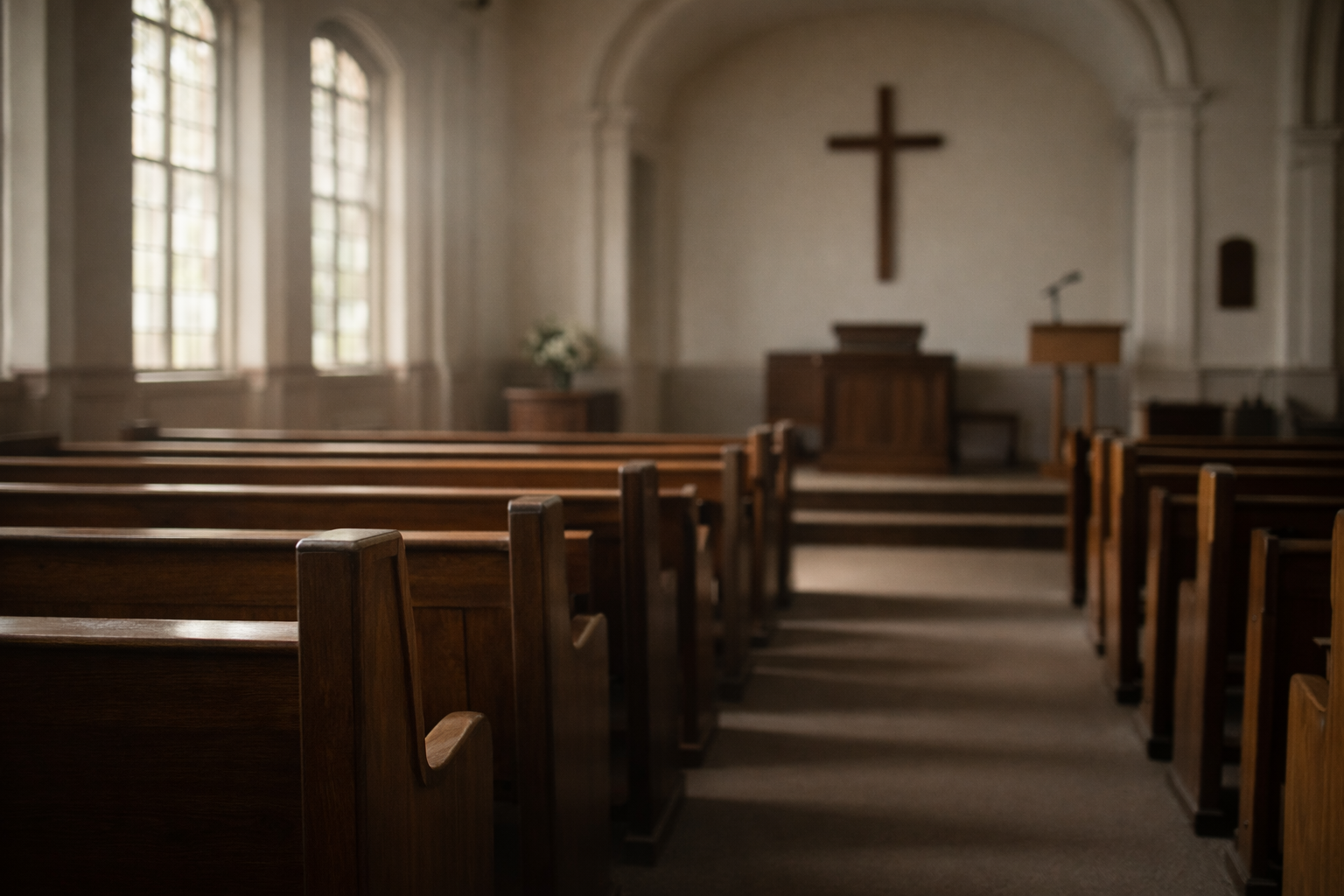
We know the church belongs to God, not us. Still, as leaders, we are entrusted with shepherding people well and stewarding what God has placed in our care. Wanting to see a church grow isn’t a lack of faith — it’s often a reflection of love, responsibility, and hope for what God might do next.
Before any explanations or assumptions take over, it’s worth pausing to ask an honest question: Why isn’t our church growing?
This isn’t about comparison or pressure. It’s about clarity.
Growth Requires Both Faith and Readiness
It’s common to hear, “God works in His time,” and that is absolutely true. God is sovereign, and growth ultimately comes from Him. At the same time, Scripture consistently shows that God works through prepared people, intentional leadership, and wise stewardship.
One of my favorite biblical illustrations comes from 2 Kings 4:1–7, where Elisha instructs a widow to gather as many containers as she can before God provides the oil. The oil only stopped flowing when there were no more containers left to fill.
That story offers a powerful picture for the church. God provided abundantly — but only as much as there was capacity to receive, hold, and steward.
The question isn’t whether God desires to work. The question is whether the church is structured to receive what He wants to do.
When Structure Lags Behind Vision
Many churches are deeply committed to the right things: preaching, evangelism, missions, pastoral care, and serving people well. These are essential. But without clear systems and structure, even the best intentions can lead to exhaustion instead of growth.
When churches lack the ability to absorb new people, develop leaders, and care for growth intentionally, momentum often stalls — not because God has stopped working, but because the church doesn’t yet have the capacity to hold what He is providing.
In those seasons, leaders often feel busy but ineffective. Programs multiply, calendars fill, and energy is spent — yet progress feels limited.
Busyness Isn’t the Same as Effectiveness
One of the hardest lessons many leaders learn is that busyness can actually work against clarity.
In my experience, a few well-designed, consistently practiced systems often have far greater impact than dozens of disconnected programs. When effort isn’t aligned, churches can work very hard while still spinning their wheels.
Intentional systems don’t replace spiritual leadership — they support it. They create space for people to be known, developed, and cared for well.
A Different Way Forward
Growth rarely comes from doing more. More often, it comes from doing the right things intentionally.
When churches invest time in building healthy, practical systems that match their vision and context, the difference can be significant. Energy is focused. Leaders are supported. People are guided rather than lost in the crowd.
A Final Encouragement
If your church isn’t growing in the way you hope, it doesn’t mean you’re failing — and it doesn’t mean God isn’t working. It may simply mean the structure hasn’t caught up with the vision yet.
If you’re interested in exploring systems that better support the effort and energy you’re already giving as a pastor or leader, I’d welcome a conversation. Even an initial discussion can bring clarity and practical next steps.
Sometimes growth begins not with more effort — but with clearer alignment.
