
Avoiding Ministry Burnout
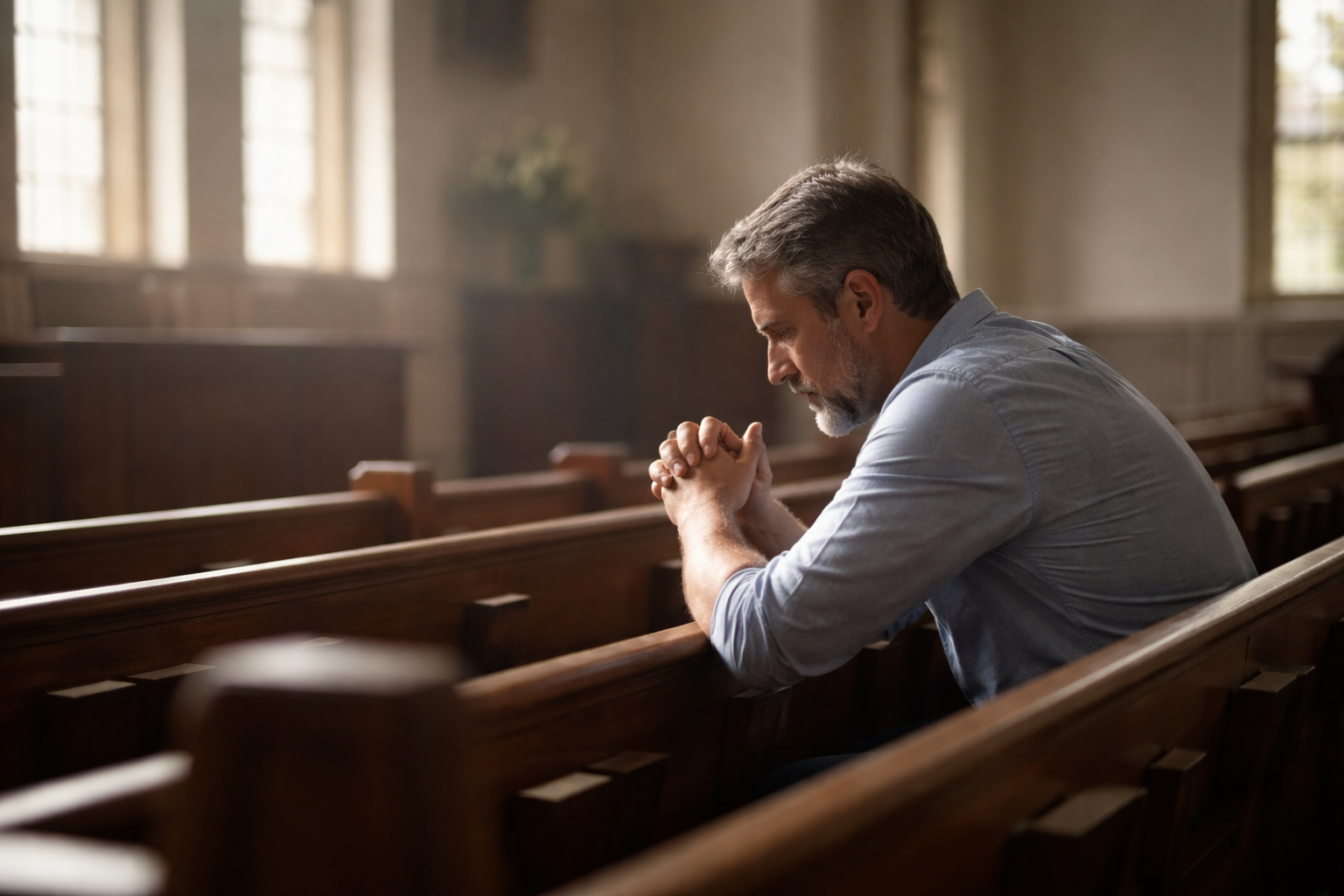
Burnout is far more common in ministry than most people realize.
Pastors carry a constant weight — deadlines, leadership decisions, people’s needs, unexpected crises, and the reality of always being “on.” Even in healthy churches, the pace can quietly become unsustainable. Over time, exhaustion builds, joy fades, and ministry begins to feel heavier than it should.
Burnout doesn’t happen overnight. It develops gradually when care for the shepherd lags behind care for the flock.
Rest Is Not Optional — It’s Biblical
One of the simplest — and most difficult — ways to prevent burnout is actually taking time away.
Many pastors don’t use all of their vacation time. And when they do, they often stay mentally or emotionally connected to the work. There’s always another meeting to plan, another decision to make, another need to address.
But there will always be something to do.
Rest isn’t a sign of weakness or lack of commitment. It’s an acknowledgment of human limits. Even Jesus regularly withdrew to rest and pray. Matthew 14:13 is just one of many examples where we see Him intentionally stepping away.
You cannot model a healthy, Christ-centered life while ignoring the rhythms Jesus Himself practiced.
Lead Primarily from Your Strengths
Another major contributor to burnout is spending most of your time working in areas that drain you.
Every pastor has strengths — areas where energy increases rather than depletes. When leaders consistently operate outside those strengths, fatigue compounds quickly.
This doesn’t mean ignoring weaker areas altogether. It means building support systems that allow others to step in where needed.
For example, if pastoral care is not a primary strength, that responsibility can be shared with elders or trusted leaders. That doesn’t remove the pastor from caring for people — it simply allows care to be carried by the body, not one person alone.
When pastors focus more of their time where they are strongest, churches often become healthier — not weaker.
Build Systems That Support You
Burnout often comes from constantly reacting instead of leading intentionally.
If organization, structure, or systems feel overwhelming, that doesn’t mean they aren’t necessary. It simply means support is needed. Strong systems don’t replace spiritual leadership — they protect it.
Whether help comes from internal leaders or outside perspective, building systems around your weaker areas creates margin, clarity, and sustainability.
Ministry is far more enjoyable when leaders aren’t carrying everything alone.
Don’t Do Ministry Alone
One of the most consistent things pastors share is this:
“I don’t really have anyone I can talk to freely.”
That isolation is dangerous.
Healthy ministry requires relationships outside the church — people who understand leadership pressure, keep confidence, and allow honesty without fear. This might be:
trusted friends in ministry elsewhere
a counselor or coach
a mature Christian friend who listens well
Without these relationships, pastors often feel like they are always “on,” even in personal moments. Over time, isolation makes burnout almost inevitable.
Having someone outside the church to process life and leadership with isn’t a luxury — it’s a safeguard.
A Final Encouragement
There are many ways to address burnout, but they all require intentionality. Health rarely improves accidentally.
If you’re feeling stretched thin, emotionally drained, or simply tired in ways rest hasn’t fixed, it may be time to step back and reassess how leadership, systems, and support are structured.
If you’d like help thinking through ways to create healthier rhythms and structures, I’d welcome a conversation. Ministry was never meant to be carried alone — and healthy leaders build healthier churches.
